

 MP3 2321 mb.
The Horace Silver Quintet - Silver's Serenade mp3
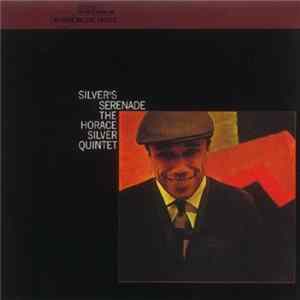
Performer: The Horace Silver Quintet
Title: Silver's Serenade
Country: US
Catalog Number: CDP 7243 8 21288 2 3
Label: Blue Note
Released: 1998
Style: Hard Bop
Rating: 4.1
Votes: 777
Tracklist
| 1 | Nineteen Bars | 6:22 |
| 2 | The Dragon Lady | 7:00 |
| 3 | Sweet Sweetie Dee | 7:32 |
| 4 | Silver's Serenade | 9:20 |
| 5 | Let's Get To The Nitty Gritty | 7:20 |
Versions
| Category | Artist | Title (Format) | Label | Category | Country | Year |
|---|---|---|---|---|---|---|
| BLP 4131 | The Horace Silver Quintet | Silver's Serenade (LP, Album, Mono) | Blue Note | BLP 4131 | US | 1963 |
| BLP 4131 | The Horace Silver Quintet | Silver's Serenade (LP, Album, Mono) | Blue Note | BLP 4131 | US | 1963 |
| UCCQ-9506 | The Horace Silver Quintet | Silver's Serenade (CD, Album, Ltd, RE, RM) | Blue Note | UCCQ-9506 | Japan | 2019 |
| BLP 4131 | The Horace Silver Quintet | Silver's Serenade (LP, Album, Mono, RP) | Blue Note | BLP 4131 | US | Unknown |
| BST 84131 | The Horace Silver Quintet | Silver's Serenade (LP, Album, RE) | Blue Note | BST 84131 | US | 1973 |
Credits
- Bass – Gene Taylor
- Drums – Roy Brooks
- Engineer [Recording] – Rudy Van Gelder
- Mastered By [24-bit Super Bit Mapping] – Ron McMaster
- Photography By [Cover Photograph], Design [Cover] – Reid Miles
- Piano, Composed By – Horace Silver
- Producer – Alfred Lion
- Reissue Producer – Michael Cuscuna
- Tenor Saxophone – Junior Cook
- Trumpet – Blue Mitchell
Notes
Recorded May 7 & 8, 1963 at the Van Gelder Studio, Englewood Cliffs, New Jersey
Originally issued as BST 84131
Barcodes
- Barcode: 7 2438-21288-2 3
Companies
- Record Company – Capitol Records, Inc.
- Manufactured By – Capitol Records, Inc.
- Phonographic Copyright (p) – Capitol Records, Inc.
- Copyright (c) – Capitol Records, Inc.
- Recorded At – Van Gelder Studio, Englewood Cliffs, New Jersey
Video
Album
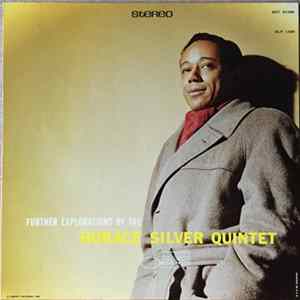
Silver's Serenade - Horace Silver Quintet. Лента с персональными рекомендациями и музыкальными новинками, радио, подборки на любой вкус, удобное управление своей. Silver's Serenade is an album by jazz pianist Horace Silver released on the Blue Note label in 1963 featuring performances by Silver with Blue Mitchell, Junior Cook, Gene Taylor, and Roy Brooks. All compositions by Horace Silver. Silver's Serenade - 9:21. Let's Get to the Nitty Gritty - 7:24. Sweet Sweetie Dee - 7:34. The Dragon Lady - 7:04. Nineteen Bars - 6:21. Recorded on May 7 1, 5 and 8 2-4, 1963. Horace Silver - piano. Horace Silver's LP Silver's Serenade is a swan song it was the final recording with his most famous quintet, which included drummer Roy Brooks, bassist Gene Taylor, saxophonist Junior Cook, and trumpeter Blue Mitchell. The band had made five previous recordings for the label, all of them successful. The program here is comprised of Silver compositions. The blowing is a meld of relaxed, soulful, and swinging hard bop, as evidenced in the title track. However, Let's Get to the Nitty Gritty has one of those beautiful winding heads, beginning so slowly and then jumping. Provided to YouTube by Universal Music Group Silver's Serenade 20-Bit Remastering1997 Horace Silver Silver's Serenade 1997 Blue Note Records 's Serenade. Horace Silver - Silver's Serenade 1963. To favorites 1 Download album. Listen album. Horace Silver. Songs in album Horace Silver - Silver's Serenade 1963. Horace Silver - Silver's Serenade. Horace Silver - Let's Get To The Nitty Gritty. Horace Silver - Sweet Sweetie Dee. Horace Silver - The Dragon Lady. Horace Silver - Nineteen Bars. Exclusive discount for Prime members. Sample this album Artist Sample. Silver's Serenade 20-Bit Remastering1997. Silver's Serenade is vintage, nicely representative music by the pianist-composer's best known ensemble, but it was never out of print. By contrast, one of the few Silver sessions for which the term inspired might apply-Further Explorations by the Horace Silver Quintet 1958-languishes in the archives, currently available only as a pricey Japanese import. Recorded in 1963, Silver's Serenade was the last complete recording by a cast of players first assembled in 1959. Silver's Serenade is a music album by Horace Silver Quintet released in 1963. Silver's Serenade by Horace Silver Quintet Year: 1963 Overall rank: - Average Rating: 74100 from 3 votes. Tracklist: 1. Silvers Serenade, 2. Lets Get To The Nitty Gritty, 3. Sweet Sweetie Dee, 4. The Dragon Lady, 5. Nineteen Bars. Other The Horace Silver Quintet albums: You Gotta Take A Little Love. The Horace Silver Quintet 7 tracks Released in 1969 Jazz. You Gotta Take A Little Love. The Risin Sun. Its Time. Listen full album. The Jody Grind. Horace Ward Martin Tavares Silver September 2, 1928 June 18, 2014 was an American jazz pianist, composer, and arranger, particularly in the hard bop style that he helped pioneer in the 1950s. After playing tenor saxophone and piano at school in Connecticut, Silver got his break on piano when his trio was recruited by Stan Getz in 1950. Silver soon moved to New York City, where he developed a reputation as a composer and for his bluesy playing. Frequent sideman recordings in the mid-1950s helped