

 MP3 2190 mb.
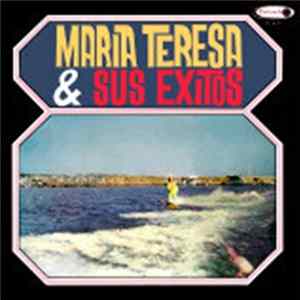
Maria Teresa de Noronha - Só Sucessos mp3
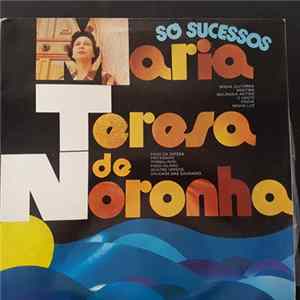
Performer: Maria Teresa de Noronha
Title: Só Sucessos
Country: Portugal
Catalog Number: SLPDX 548
Label: Decca
Released: 1970
Style: Fado
Rating: 4.2
Votes: 174
Tracklist
| 1 | Mouraria Antigo |
| 2 | Pintadinho |
| 3 | O Vento |
| 4 | Minha Luz |
| 5 | Quatro Versos |
| 6 | Pinoia |
| 7 | Fado Hilario |
| 8 | Fado Da Defesa |
| 9 | Minha Guitarra |
| 10 | Pombalinho |
| 11 | Saudade Das Saudades |
| 12 | Mentira |
Album
Maria Theresa Walburga Amalia Christina German: Maria Theresia 13 May 1717 29 November 1780 was the only female ruler of the Habsburg dominions and the last of the House of Habsburg. She was the sovereign of Austria, Hungary, Croatia, Bohemia, Transylvania, Mantua, Milan, Lodomeria and Galicia, the Austrian Netherlands, and Parma. By marriage, she was Duchess of Lorraine, Grand Duchess of Tuscany and Holy Roman Empress. Maria Teresa de Noronhas particularity in fado is due to her voice, expressive force and her synchronization with the instruments. Her beautiful, natural soprano voice, rigorously tuned, was always superbly positioned either in low or high pitches and was provided with an unmatched agility and capacity to elaborate intricate melodic ornaments with precision. Her perfection is evidenced in her brilliant repertoire of some lower-pitched fados of Coimbra, generally a t read more. Maria Teresa do Carmo de Noronha, November 7, 1918 July 5, 1993 was a Portuguese aristocrat and a fado singer. Maria Teresa do Carmo de Noronha, November 7, 1918, Lisbon July 5, 1993 was a Portuguese aristocrat and a fado singer. バリエーション: すべてを閲覧中 Maria Teresa de Noronha. Play jigsaw puzzles for free Home. Maria Teresa de Noronha. Maria Teresa de Noronha, 2008. Rosa Enjeitada, 03:35. Fado das Horas, 02:50. Maria Teresa de Noronha: Portuguese aristocrat and a fado singer. As a granddaughter of the Counts of Paraty and Belmonte, she belonged to a family of the most ancient Nobility in the Iberian Peninsula, tracing her roots to the Royal Houses of both Portugal and Castile from the mid-14th century. Her artistic career spanned over 30 years and hers is considered one of the most unusual and beautiful fado voices. Her status as a fidalga meant, in the context of a conservative early 20th century Portugal, that she faced severe restrictions in having a professional artistic career As such, she did n. Follow Maria Teresa De Noronha and others on SoundCloud. Album release date: 30 November 2018. Fado de Outrora. Use shift and the arrow up and down keys to change the volume. Maria Teresa De Noronha. Current track: Fado da IdanhaFado da Idanha. Maria Teresa de Noronha is known for her work on Cero en conducta 1945, Balada da Praia dos Cães 1987 and Lisboa à Noite 1957. Music Department. Add or change photo on IMDbPro . See full bio . Quick Links. Biografias de Fado. Primary Artist. The expressive force is a must for those rigorosos like M. Noronha, who interpreted almost exclusively fados castiços, in which the music is repeated four to five times. The challenge for the virtuous singer is to stylize, i. to vary the melodic design of each stanza according to the emotional suggestions of the lyrics themselves. Maria Teresa do Carmo de Noronha, November 7, 1918, Lisbon July 4, 1993 was a Portuguese aristocrat and a fado. Her great-granduncle D. João do Carmo de Noronha and her brother D. Vasco de Noronha, as well as her acquaintances D. Pedro and a href pagesw132045220165651 D. António de Bragança House of Lafõesa , were all renowned amateur fadistas. She began singing the Fado in the intimate circle of her family and friends but soon the fame of her proven talent spread out