

 MP3 1428 mb.
E. Coli - 0157H7 mp3
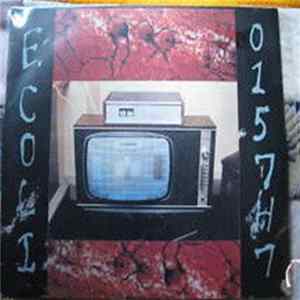
Performer: E. Coli
Title: 0157H7
Country: US
Catalog Number: 51196-7
Label: Triple X Records
Released: 1994
Rating: 4.2
Votes: 323
Tracklist
| 1 | Bindle |
| 2 | Precious Friend |
Notes
Recorded live to ADAT at Cleo Long Beach, summer 1994.
Video
Album
Escherichia coli O157:H7 is a serotype of the bacterial species Escherichia coli and is one of the Shiga-like toxinproducing types of E. It is a cause of disease, typically foodborne illness, through consumption of contaminated and raw food, including raw milk and undercooked ground beef. Infection with this type of pathogenic bacteria may lead to hemorrhagic diarrhea, and to kidney failure these have been reported to cause the deaths of children younger than five years of age, of elderly. coli 0157:H7 may cause additional complications in children and the elderly that include renal failure, anemia, and dehydration, especially in children termed HUS or hemolytic uremic syndrome, as well as spontaneous bleeding, organ failure, and mental changes in the elderly termed TTP or thrombotic thrombocytopenic purpura. Causes of E. coli infection. The E. coli strain 0157:H7 is the most common type that causes complicated disease in humans, but other types of E. coli produce similar if not identical symptoms. Most of the symptoms caused by the bacteria are due to two Shiga toxins, termed Stx1 and Stx2 and also termed Verotoxins. Escherichia coli E. coli is a bacteria species that normally lives in the intestines of healthy people and animals. More than 700 serotypes of E. coli have been identified. Most varieties of E. coli are harmless or cause relatively brief diarrhea, but a few strains can cause severe abdominal cramps, bloody diarrhea and vomiting. Shiga toxin-producing E. coli STEC. coli STEC may also be referred to as verocytotoxin-producing E. coli VTEC or enterohemorrhagic E. coli EHEC. STEC strains can cause serious illness in humans by producing toxins that can severely da. track off of producer Dig Dugs compalation album The Hollow Earth which dropped on Nasa's label Uncommon Records a few years . coli E. Coli 0157:H7 is a contagious bacterium that causes symptoms like nausea, vomiting, stomach cramps, and diarrhea that may be bloody. This bacterial infections results from eating raw or undercooked meat or unpasteurized dairy products raw milk or cheeses. coli 0157:H7 Infection Early Symptoms, Treatment, and Prevention. coli definition and facts. What Is. What are E. coli 0157:H7 bacteria Symptoms and Signs. 8 early signs and symptoms of E. coli 0157:H7 infection. 17 later symptoms of signs and symptoms of E. coli infections. How Is It Spread How do you get an E. coli 0157:H7 infection how is it spread . In 2006, there were several outbreaks of foodborne illness from spinach and lettuce contaminated by E. coli O157:H7. The initial outbreak occurred in September 2006 and its probable origin was an Angus cattle ranch that had leased land to a spinach grower growing under organic practices. At least 205 consumer illnesses and 3 deaths have been attributed to the tainted produce. coli 0157:H7 serotype is considered as being the most significant and has been associated with large foodborne outbreaks in North America, Europe, and Japan. The Centre for Disease Control estimate that E. coli 0157:H7 causes approximately 73,000 illnesses and 61 deaths each year in the USA. After E. coli was recognized as a cause of hemorrhagic colitis, the centers for disease control and prevention CDC reviewed over 3,000 strains serotyped between 1973 and 1983 and found only one O157:H7 isolate. The largest out break to date occurred in Japan in 1996, affecting over 9000 people. CDC laboratory testing identified the outbreak strain of E. coli O157:H7 in canal water samples taken from the Yuma growing region. FDA is continuing to investigate the outbreak to learn more about how the E. coli bacteria could have entered the water and ways this water could have contaminated romaine lettuce. Uploaded by. The association of O157:H7 with undercooked ground beef and raw rice led to investigations of the role of cattle as a reservoir of the pathogens. Several surveys of faecal shedding of O157:H7 produced the following general observations. Escherichia coli including E. coli 0157:H7 and non-0157 serotypes, all members of the Enterobacteriaceae family are gram-negative bacteria that are rod-shaped, have the ability to survive in aerobic and anaerobic environments termed a facultative anaerobe, and may or may not produce flagella and pili thin hair-like projections depending on their environmental needs. coli 0157:H7 belongs to a group of E. coli termed enterohemorrhagic E. coli strains EHEC. These organisms may be named VTEC or STEC see section on Other Enterohemorrhagic E. coli Strains. There are 4 to 6 groups of E